


-

Add: HeBei ShengShi HongBang Cellulose Technology CO.,LTD.
-

Email
13180486930@163.com -

CONTACT US
+86 13180486930




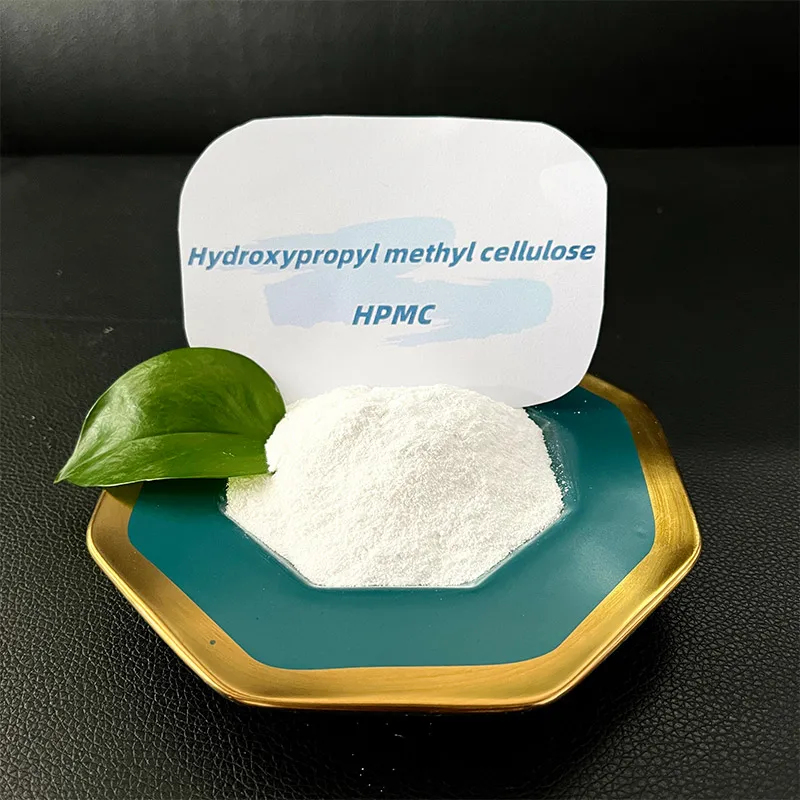
What I’m Seeing in Hydroxypropyl Methyl Cellulose Right Now If you work in dry-mix mortars, pharma tablets, or even detergent pods, you’ve probably bumped into Hydroxypropyl Methyl Cellulose HPMC more than once. It’s a non-ionic cellulose ether—yes, derived from natural cellulose—and it keeps getting more attention as the “quiet” performance enhancer in countless formulations. Honestly, adoption is accelerating across construction chemicals and high-viscosity personal care because of supply stability and cost-to-value. Many customers say the workability gains are immediate; I tend to agree. Origin and who’s behind it From HeBei ShengShi HongBang Cellulose Technology CO., LTD (Room 1904, Building B, Wanda Office Building, JiaoYu Road, Xinji City, Hebei Province). I’ve toured similar facilities; the process is rigorous and surprisingly clean. Their pitch is consistent rheology, tight particle size control, and fast redispersion in cement-alkali environments. How it’s made (short version, no fluff) Materials: refined cotton, NaOH (alkalization), methyl chloride (MC), propylene oxide (PO), purified water. Method flow: alkalization → etherification (MC+PO) → neutralization → washing to remove salts → drying → milling → sieving → packaging. QA/testing: viscosity (Brookfield, 2% w/w, 20°C), methoxyl/hydroxypropyl content, moisture, pH, ash, sieve residue, gel temperature. Service life: ≈24 months in dry, sealed bags; avoid >30°C and humidity. Real-world use may vary. Industries: tile adhesive, EIFS/ETICS, gypsum putty, self-leveling; tablets (binder), ophthalmics, toothpaste; shampoos, detergents, coatings. Product specifications (typical) Parameter Spec (≈) Viscosity (2% w/w, 20°C) 400–200,000 mPa·s (multiple grades) Methoxyl (DS) 19–24% Hydroxypropyl (MS) 4–12% Moisture ≤5% pH (1% sol.) 6.0–8.5 Gel temperature 60–75°C Sieve residue (100 mesh) ≤1% Bulk density 0.30–0.50 g/cm³ Note: measured by Brookfield LV, spindle/time per internal SOP; actual plant results vary with salts and mixing energy. Why formulators pick it Water retention and open time in cement systems (EN 12004 tile standards). Anti-sag, better trowelability; smoother edges on putties. Tablet binding/film formation meeting USP/Ph. Eur. monographs. Electrolyte tolerance; stable viscosity in laundry detergents—surprisingly robust. Vendor snapshot (what buyers compare) Vendor Certs Strength Viscosity Range MOQ HeBei ShengShi HongBang ISO 9001; REACH prereg. Construction focus; cost-value 400–200,000 ≈1 MT Dow (METHOCEL) ISO, GMP sites Global supply, pharma grades Low to ultra-high Varies Ashland (Benecel) ISO, EXCiPACT Tablets, coatings uniformity Wide Varies Applications and quick data Tile adhesive: +0.2–0.35% Hydroxypropyl Methyl Cellulose HPMC → open time +10–15 min; slip ≤0.5 mm (EN 12004). Self-leveling: 0.05–0.1% improves edge cohesion; flow per ASTM C1437: 115–130% with stable ring. Gypsum putty: 0.2–0.3% → sag drop by ≈30%, smoother knife feel (shop-floor feedback). Tablets: 2–5% binder; disintegration tuned via viscosity grade (USP-NF compliant grades available). Customization and QC For Hydroxypropyl Methyl Cellulose HPMC , you can specify viscosity windows, substitution ratios, surface treatment for fast wetting, and targeted gel temp. Batch COAs usually list Brookfield data, moisture, mesh residue, and heavy metals when applicable. Incoming QC on your side? I’d validate viscosity at your ionic strength, not just DI water. Mini case studies Eastern EU tile factory: switched to 60,000 mPa·s grade; open time +12 min; consumer complaints on “grab” fell 40% in 2 months. Generic IR tablet line: replaced PVP with Hydroxypropyl Methyl Cellulose HPMC binder at 3%; friability down from 0.9% to 0.3% while keeping disintegration at 9–12 min. Standards and compliance Typical references: EN 12004 (tile adhesives), ASTM C1437 (flow), ISO 9001 for QMS, USP/Ph. Eur. Hypromellose monographs, plus REACH where required. To be honest, don’t skip pilot mixes; salts and fillers can nudge viscosity more than you expect. Citations ASTM C1437 – Standard Test Method for Flow of Hydraulic Cement Mortar. EN 12004 – Adhesives for tiles: Requirements, evaluation of conformity. USP–NF Monograph: Hypromellose (Hydroxypropyl Methylcellulose). ISO 9001:2015 – Quality Management Systems Requirements.
- 40000tons

Production
- 20+years

Experience
- 5000+㎡

Acreage

-
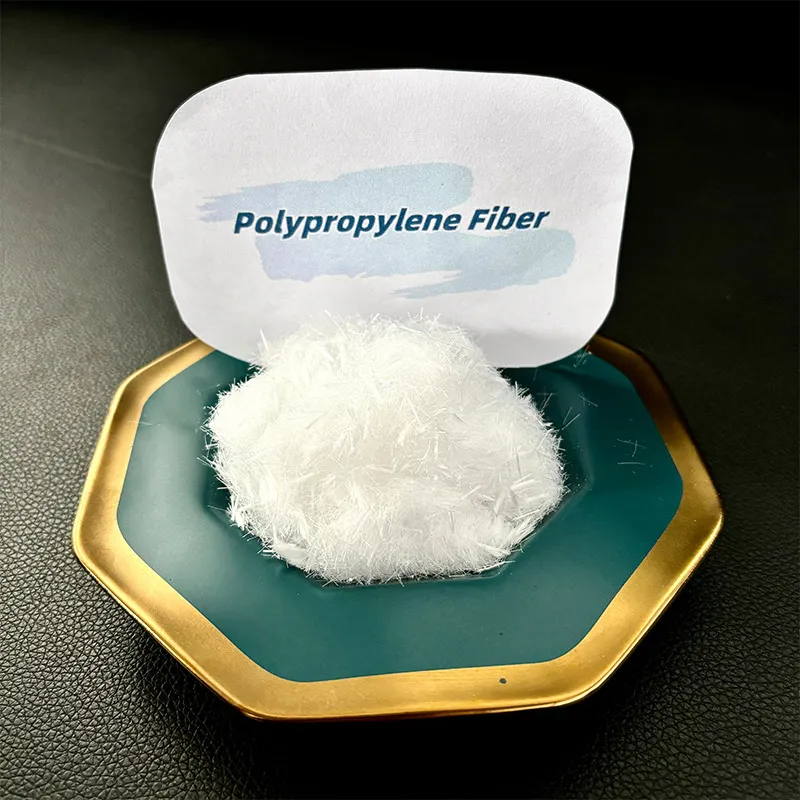
Fiberglass for Concrete Mix Enhancing Strength and Durability Concrete is one of the most widely used construction materials in the world, known for its strength and versatility. However, it does have its limitations, such as brittleness, susceptibility to cracking, and overall weight. To tackle these challenges, the incorporation of fiberglass into concrete mixes has emerged as a game-changing solution that boosts performance while maintaining the same traditional characteristics of concrete. What is Fiberglass? Fiberglass, or glass fiber, is a reinforced plastic material composed of fine fibers of glass. It is known for its high strength-to-weight ratio, excellent resistance to corrosion, and impressive insulation properties. When added to concrete mixes, fiberglass can significantly enhance the material's overall performance, making it a popular choice in various construction applications. Benefits of Fiberglass in Concrete Mixes 1. Improved Tensile Strength One of the most significant advantages of incorporating fiberglass into concrete is the enhancement of tensile strength. Traditional concrete tends to be strong in compression but weak in tension, which can lead to cracks and structural failures. By adding fiberglass, the tensile strength increases, making the concrete more resistant to stress and load-bearing requirements. 2. Reduced Shrinkage and Cracking Fiberglass acts as a reinforcement that helps to minimize shrinkage during the curing process. This reduction in shrinkage translates to a decreased risk of cracking, which is often a common issue in standard concrete mixes. By effectively controlling cracking, fiberglass-reinforced concrete extends the lifespan of structures and reduces the need for repairs. 3. Lightweight Composition The lightweight nature of fiberglass compared to traditional reinforcement materials like steel means that concrete mixes can maintain lower overall weight. This can reduce the structural load on foundations while still providing the necessary strength and durability. Such lightweight composition is particularly advantageous in projects where load restrictions are critical. fiberglass for concrete mix 4. Enhanced Durability Fiberglass is naturally resistant to corrosion and chemical attack, which can often plague concrete exposed to harsh environmental conditions. By incorporating fiberglass, the resulting concrete becomes more robust against moisture penetration, temperature fluctuations, and aggressive chemicals, making it ideal for use in areas such as coastal regions, industrial sites, or places with severe weather. 5. Cost-Effectiveness While there may be initial costs associated with adding fiberglass to concrete mixes, the long-term savings are significant. The durability and reduced maintenance associated with fiberglass-reinforced concrete often lead to lower repair and replacement costs over the lifecycle of a structure. Additionally, the efficiency of construction and the potential reduction in material usage can further offset expenses. Applications of Fiberglass-Reinforced Concrete The application of fiberglass in concrete mixes spans across various sectors including residential, commercial, and industrial construction. From precast concrete products to architectural elements, such as facades and sculptures, fiberglass enhances the performance and aesthetic appeal of concrete structures. One notable application is in the construction of pavements and flooring systems. The addition of fiberglass not only improves the structural integrity but also provides slip resistance, ensuring safety in both industrial and commercial environments. Moreover, the use of fiberglass in thin overlays and shotcrete processes shows significant promise, allowing for quick application with high durability. Conclusion In conclusion, the integration of fiberglass into concrete mixes presents a wealth of benefits that significantly enhance the material's performance. Improved tensile strength, reduced shrinkage, enhanced durability, and lightweight composition make fiberglass-reinforced concrete an excellent choice for modern construction projects. As the construction industry continues to evolve, adopting innovative materials like fiberglass will be crucial in meeting the demands for stronger, more resilient, and cost-effective building solutions. By embracing these advancements, engineers and architects can create structures that not only stand the test of time but also contribute to more sustainable development practices.
-
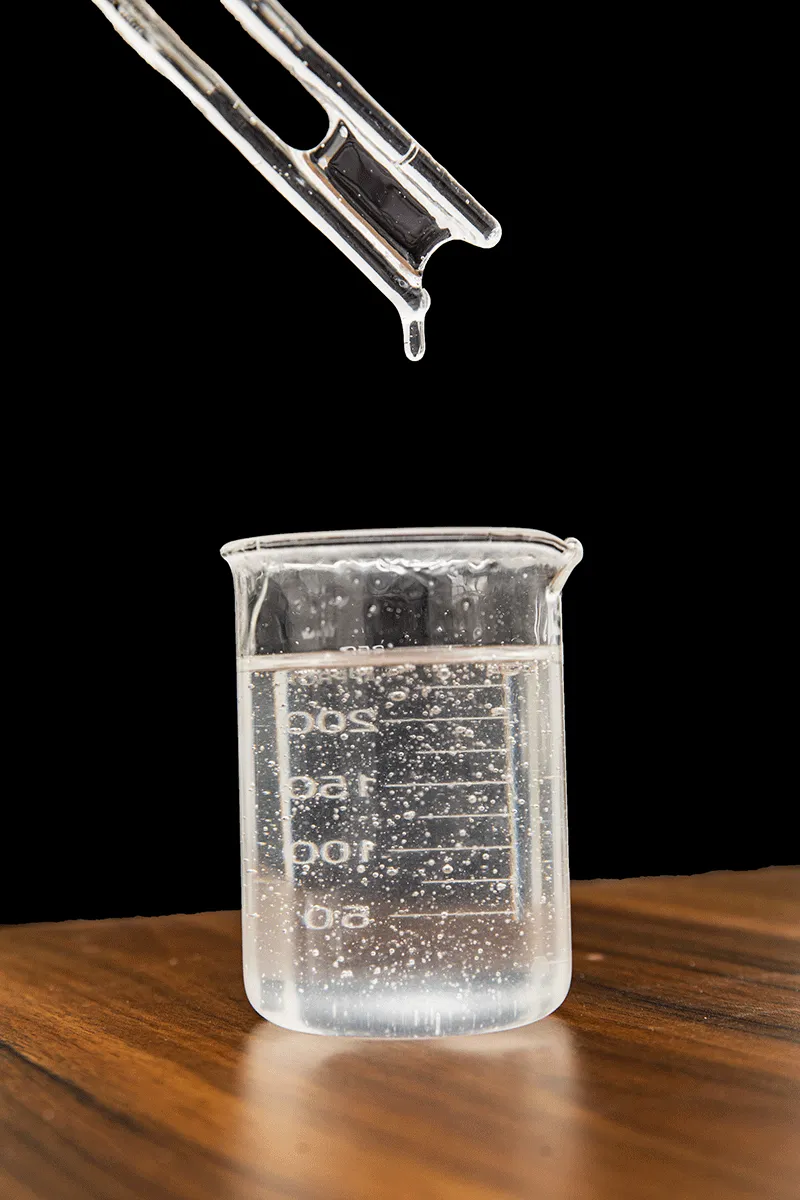
When it comes to managing dry eye diseases, particularly Meibomian Gland Dysfunction (MGD), two types of eye drops have gained significant attention - Retaine MGD and Hydroxypropyl Methylcellulose (HPMC) based lubricants. Understanding the differences, benefits, and appropriate usage of these products can significantly improve patient outcomes and enhance eye health. This comprehensive guide will shed light on Retaine MGD versus HPMC, grounded in both scientific research and real-world experiences, aimed at maximizing the efficacy of each treatment. Retaine MGD is specifically formulated to provide long-lasting relief for dry eyes associated with Meibomian Gland Dysfunction, a prevalent cause of evaporative dry eye. This preservative-free, oil-based lubricant utilizes Novasorb technology, which sustains and stabilizes the tear film by preventing evaporation. Patients often report a soothing experience as it effectively coats the eye surface, providing a barrier against moisture loss. The lipid-based composition is particularly advantageous for MGD sufferers, as it directly addresses the insufficiency of the lipid layer in the tear film, which is a core issue in MGD. In contrast, Hydroxypropyl Methylcellulose products are water-based lubricants available in various viscosities, designed to replicate and enhance the aqueous layer of the tear film. HPMC is praised for its biocompatibility and ability to retain moisture, thereby reducing friction and discomfort. While HPMC does not specifically target lipid layer deficiencies, it serves as an excellent baseline therapy for overall dry eye symptoms and for patients who may not tolerate lipid-based therapies due to preferences or specific ocular conditions. From an expert perspective, choosing between Retaine MGD and HPMC-based drops should be individualized, considering factors such as the severity of MGD, patient lifestyle, and specific symptomatology. Retaine MGD is highly endorsed for patients with explicit evaporative symptoms attributable to MGD, while HPMC can be recommended for aqueous tear deficiency or for patients seeking an immediate soothing effect without the texture of an oil-based drop. retaine mgd vs hpmc Recent studies underscore the importance of tailored therapeutic approaches. Patients participating in a clinical trial reported significant improvements in Comfort and vision stability with Retaine MGD after four weeks compared to those using traditional aqueous lubricants. Conversely, those on HPMC reported immediate relief and ease of use, with less oily residue, indicating its utility in scenarios requiring frequent application. Eyecare professionals emphasize the importance of holistic management strategies beyond choosing the correct lubricant. This involves lifestyle modifications like eyelid hygiene, regular warm compresses to encourage meibum secretion, and adjustments in environmental factors such as humidity. It is crucial for practitioners to deliver clear guidance on these adjunctive measures to enhance patient adherence and satisfaction. In conclusion, both Retaine MGD and HPMC-based lubricants serve distinct roles in the landscape of dry eye management. Their selection should be based on thorough clinical assessment and patient dialogue . Integrating a nuanced understanding of these products into treatment plans promises to elevate patient care and mitigate the challenges posed by dry eye diseases. With ongoing research and user feedback, eyecare practitioners can continue refining their approach to offer the most effective, evidence-based solutions for their patients.
advantages
-

200000 Viscosities
Excellent product
We can produce pure products up to 200,000 viscosities
-

40000 tons
High yield
We don’t stop production all year round, and the annual output can reach 40,000 tons
-

24 hours
Quality service
We provide 24-hours online reception service, welcome to consult at any time
———— Inquiry Form
Schedule A services
- hpmc_adhesive
Oct . 25, 2025
Understanding Anionic Polyelectrolyte Powder Properties, Applications, and Benefits Polyelectrolytes -
 hpmc_for_detergent
Oct . 25, 2025
Hydroxypropyl methylcellulose (HPMC), also known as hypromellose, is a versatile compound used in va -
 hpmc_solubility_in_isopropyl_alcohol
Oct . 25, 2025
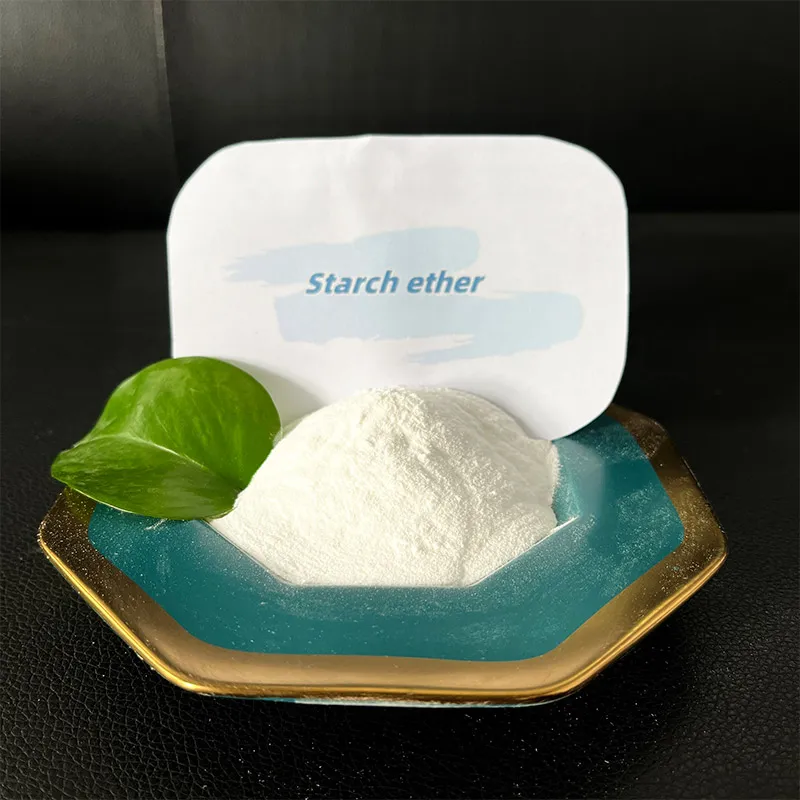
Starch ether is a versatile and eco-friendly compound derived from natural starch sources, widely us


